Affordable Dumpster Solutions for Your Residential or Business Needs
Cost-effective dumpster leases offer efficient approaches for controlling waste in both home and commercial projects. Many people and businesses miss the perks of these services, often causing inefficient trash management. By comprehending important elements like pricing and capacity choices, clients can establish educated decisions that match their requirements. Exploring the nuances of lease terms and regional providers will surface helpful guidance into boosting waste management strategies. What considerations ought to one remember when selecting this decision?
Main Advantages of Renting a Dumpster for Your Project
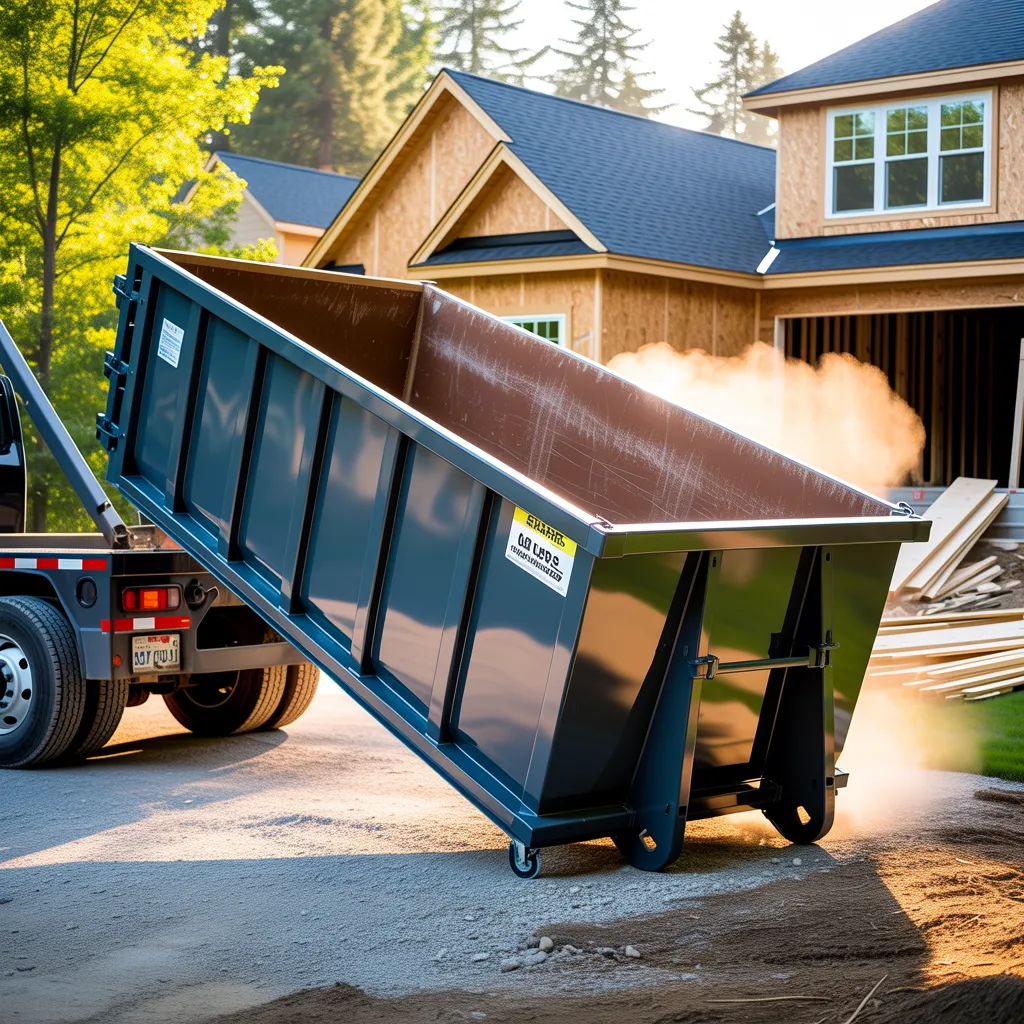
When developing a project, whether it's a home renovation or a large cleanup, many individuals fail to consider the practicality of contracting a dumpster. Contracting a dumpster streamlines waste management, allowing for the rapid disposal of debris and unwanted materials. This can notably save moments, as it circumvents the need for multiple trips to a landfill.
Additionally, having a designated space for waste ensures that the work area stays organized and safe, minimizing the risk of accidents. Many projects generate more waste than anticipated, and a dumpster offers the flexibility to handle unexpected debris without added stress.
In addition, renting a dumpster may be more economical than other waste disposal approaches, especially for large projects. To sum up, leveraging a dumpster enhances project efficiency, supports safety, and simplifies the cleanup process, making it a sound choice for homeowners and contractors alike.
Elements That Impact Dumpster Rental Pricing
A range of crucial variables impact the pricing structure of dumpster leases. The size of the dumpster selected, the timeframe of the hire, and the location's accessibility all represent important factors in setting final prices. Understanding these components can help people take educated selections when leasing a dumpster for their jobs.
Dumpster Size Selection
What impact does choosing the appropriate dumpster size have on costs? Choosing an suitable dumpster size is vital for controlling costs effectively. Compact dumpsters generally feature lower rental fees, making them an budget-friendly option for small projects, such as cleanouts or renovations. In contrast, larger dumpsters, though more expensive, hold considerable debris from extensive construction or commercial projects.
Overestimating dimensions can result in excessive costs, while underestimating may result in additional leases. Additionally, some providers charge for weight limits, so the volume of debris also affects overall rates. Consequently, understanding the scope of the project and waste type is crucial for selecting a container that reconciles both size and cost, guaranteeing that the rental remains budget-friendly and functional.
Lease Length Effects
Selecting the appropriate dumpster size is only one factor influencing rental costs; rental duration also plays a important role. The length of time a dumpster is required directly affects the overall price, as most rental companies charge on a daily or weekly basis. Longer rental periods typically incur higher fees, which can vary based on the provider's pricing structure. Additionally, some companies offer discounted rates for extended rentals, making it crucial to compare options. Customers should consider their project timelines and waste disposal needs when determining the rental duration. Ultimately, understanding how rental duration impacts costs can help individuals and businesses plan effectively for their disposal needs, ensuring they avoid unexpected expenses.
Location and Access
The location where a dumpster is situated heavily influences rental pricing. Accessibility is a key factor; dumpsters positioned on private property or driveways usually incur lower fees compared to those on public streets. Permits may be necessary for dumpsters placed on streets, increasing the total cost. Furthermore, how close the rental company’s facility is can impact transportation expenses. If the dumpster is located far from the rental provider, fuel costs will rise and may be charged to the customer. Also, urban areas with higher traffic congestion tend to have higher prices due to logistical challenges. In conclusion, knowing the dumpster’s location and accessibility is vital for correctly evaluating rental costs and making informed decisions.
How to Locate Cost-Effective Dumpster Rentals
Researching low-cost waste container options requires strategic assessment of neighborhood providers and their available services. By reviewing cost structures and available features, customers can discover the optimal value offerings found within their surrounding area. Also, checking out promotional discounts can result in meaningful reductions on total rental expenses.
Examine Local Providers
In what ways can someone effectively compare local providers to find affordable dumpster rentals? To start, individuals should collect quotes from several different companies, ensuring they ask about all fees, including delivery, pickup, and any possible overage charges. Then, examining customer reviews and ratings can offer valuable insights into service quality and reliability. Moreover, it is advisable to consider the range of dumpster sizes available, as this can determine pricing depending on individual project needs. Comparing rental periods might also disclose more affordable choices, since some providers give discounts for longer rental commitments. Lastly, local promotions or package deals can further increase affordability, so it is necessary to explore all options before choosing.
Examine Seasonal Discounts
Do hidden savings exist for those who make the effort to examine seasonal offers on dumpster rentals? Many rental companies offer special prices during quieter seasons or specific seasons. For instance, spring and fall often see heightened competition among providers, causing reduced prices. Additionally, festive periods or local events can spark special offers. Customers can benefit by conducting online research, enrolling in newsletters, or tracking social media pages of local rental services. Communicating with providers might also reveal unadvertised discounts. By being strategic and scheduling their rental, individuals and businesses can greatly lower costs, making the process easier to handle waste disposal without taxing their resources.
Guide to Determining the Perfect Dumpster Size for Your Project
Selecting the appropriate dumpster measurement for a assignment can substantially affect efficiency and budget. The initial step is to evaluate the magnitude of trash produced. Small projects, such as home cleanouts, generally require a 10 to 15 cubic yard dumpster, while major renovations may demand 20 to 30 cubic yards. For commercial projects, measurements can range from 30 to 40 cubic yards, based on the type of materials being disposed of.
Next, evaluate the composition of waste. Heavy substances, like concrete or dirt, may necessitate a more focused, compact container due to weight limits. Additionally, knowing the length of your project can help you identify the appropriate size; longer projects may pile up more waste.
Lastly, speaking to a rental service can provide valuable insights. They can recommend dimensions based on previous customer experiences and particular job requirements, making sure the selected container matches personal requirements and financial limitations.
Essential Tips for Selecting Local Dumpster Rental Services
When looking for local dumpster rental providers, it’s vital to consider several important aspects to achieve a hassle-free experience. First, review the company's reputation; online testimonials and comments can offer perspectives into their dependability and customer service. Next, assess the selection of options provided, ensuring they can meet distinct project demands, such as different dumpster sizes or types. It's also crucial to examine pricing structures, as some companies may charge extra charges that can escalate costs suddenly. Additionally, inspect for adequate licensing and insurance to verify compliance with local regulations and safeguards against liabilities. Finally, check transport and retrieval arrangements to make certain they fit project timelines. By applying these measures, individuals can pick a local dumpster rental service that fulfills their needs properly and swiftly.
Tips for Filling Your Dumpster Effectively
Maximizing space in a dumpster requires thoughtful loading methods. Initially, individuals ought to break down large things, including furniture and appliances, to create more room. This practice supports better stacking and effective use of vertical space. Afterwards, heavier materials should be placed at the bottom, providing a stable base and avoiding lighter items being crushed.
Applying a systematic method, such as filling gaps with smaller debris and guaranteeing even weight placement, can enhance space utilization. Additionally, it is helpful to organize items in tiers, with flat materials at the base and larger items above.
Placing a tarp over the load can help maintaining items secure during shipment. In conclusion, paying attention to the dumpster's weight limit is vital to avoid overfilling, which can cause extra fees or safety risks. Using these approaches will create a more efficient and productive dumpster loading experience.
What Should You Do With Dangerous Materials?
Dealing with dangerous substances requires careful attention to safety and regulations. Proper disposal is vital to stop environmental harm and maintain public health. Individuals should first pinpoint dangerous substances, such as batteries, paint, chemicals, and electronic waste. Once identified, it is vital to reference local regulations, as many areas have established standards for disposal.
Many municipalities offer designated drop-off locations or scheduled collection days for dangerous materials. Utilizing these programs ensures safe handling and disposal. Individuals should never place dangerous substances in standard trash containers, as this can result in serious safety risks and legal consequences.
For companies, collaborating with certified waste disposal companies is beneficial. These experts are capable of transport and manage such substances in alignment with legal standards. Adhering to these practices promotes protection and also cultivates responsibility for ecological responsibility. By observing these requirements, enterprises and businesses can effectively manage hazardous waste.
Often Requested Answers and Questions
Which Kinds of Products Am I Able to Dispose of in a Dumpster?
Various materials can be eliminated in a dumpster, such as household debris, construction waste, yard waste, furniture, and appliances. However, hazardous materials, chemicals, and certain electronics are generally prohibited due to safety regulations.
How Long Can I Keep the Rented Dumpster?
Usually, leased dumpsters can be held for a timeframe spanning a few days to several weeks, based on the rental agreement. Prolonged use may result in additional fees, so checking conditions is prudent.
Are There Load Restrictions for Dumpster Leasing?
Yes, dumpster rentals typically have weight thresholds that differ by provider and dumpster size. Exceeding these limits see the full story may cause extra costs or limits, so it's essential to verify particular requirements with the rental company beforehand.
Can I Obtain a Dumpster Lease for Tiny Home Tasks?
Yes, people can lease dumpsters for small home tasks. Many waste management services provide different sizes appropriate for jobs like organizing, renovations, or landscaping, guaranteeing an efficient way to handle debris and waste removal.
What Happens if I Surpass the Leasing Time?
Surpassing the rental period typically leads to extra charges. The dumpster service may levy a per-day cost, accumulating costs until the dumpster is returned. It's recommended to reach out to the company to discuss options.